Four Fun Multi-Sensory Ways to Practice Handwriting
Practice, Practice, Practice!
Now that your child is set up with good posture and ergonomics and is starting to write letters, it’s time for them to refine their handwriting skills. This often takes lots of practice!
While I do think there is a time and place for paper and pencil practice, this does not mean exclusively laboring away in a handwriting practice book is always the best way to go about handwriting practice. In fact, there are many other fun, multi-sensory ways to improve handwriting. Here are four fun multi-sensory techniques for practicing print that you can do with your child. Some of these activities may surprise you!
#1. Trace It Big!
Tracing is great practice for handwriting. If it is difficult for your child to write within lines, start with big, gross motor activities. Give your child a stick. Yes, I said give your child a stick! With the stick, they should trace letters, following the proper motions and sequences for letter formation. They can trace these letters in the air, in the dirt, or in the sandbox. I am especially fond of tracing in the sand, as it is easy to erase.
While your child is “tracing big,” they can also recite the letter name, keyword, and sound, for additional multi-sensory reinforcement.
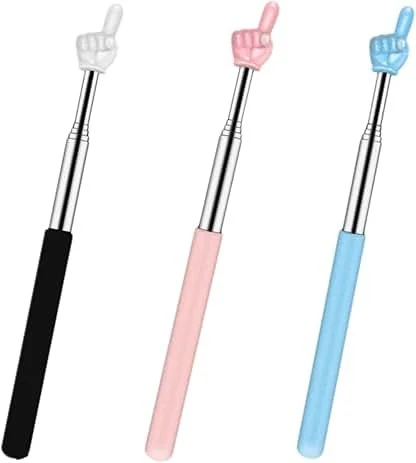
Point and Trace
If you aren’t a fan of sticks, this fun pointer is another great tool to use for tracing letters in the air.
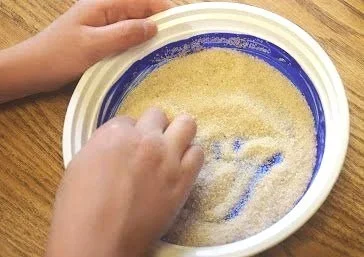
Trace in a Sand Tray
Tip: Add color to the bottom of a plastic container to make traced letters stand out!
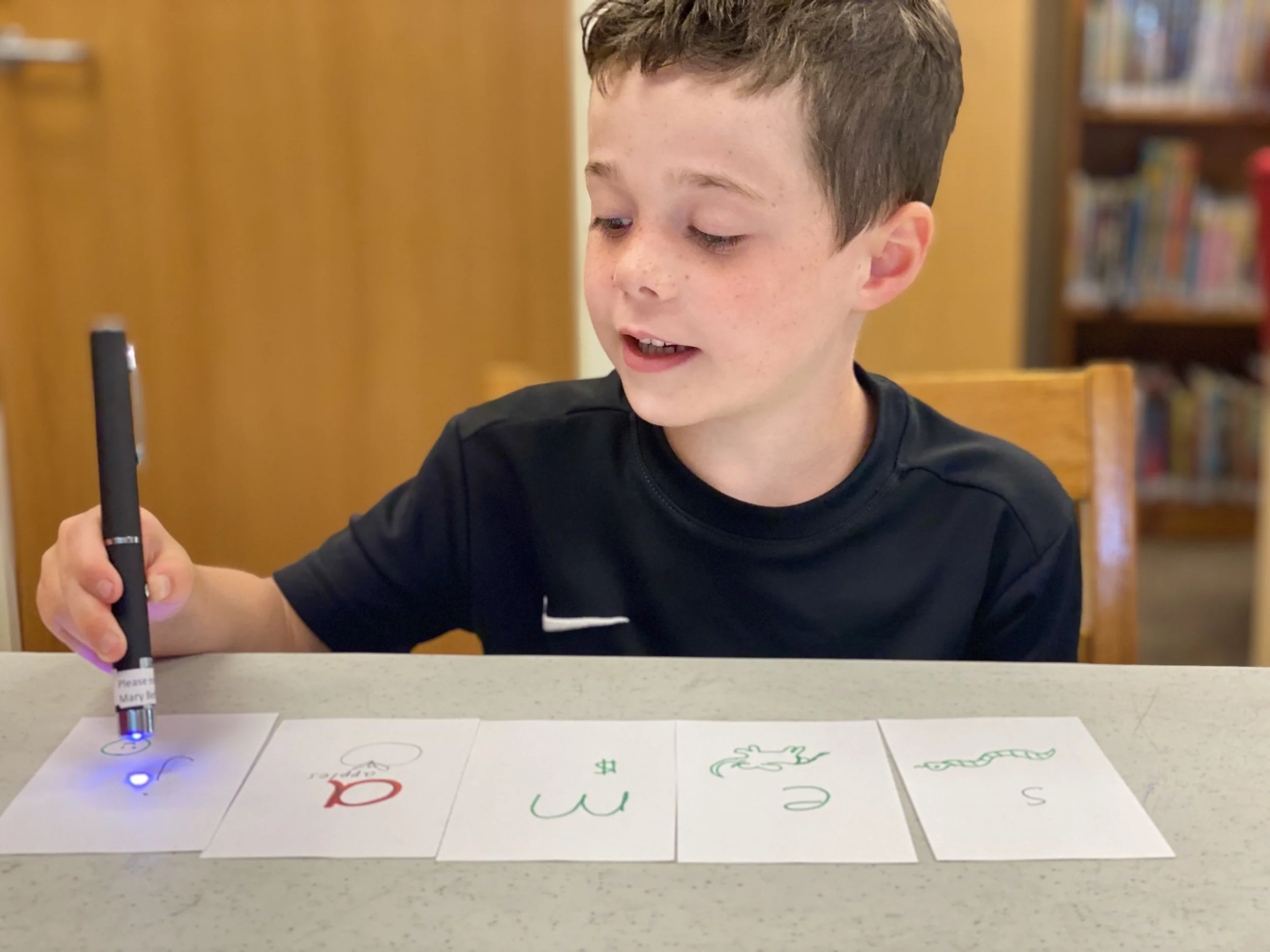
Trace with a Laser Pointer
For a novel twist, give your child a laser pointer to trace with. Just make sure your cat isn’t watching!
Safety tip: Always remind your child not to shine a laser pointer in anyone’s eyes, as this could cause permanent vision damage.
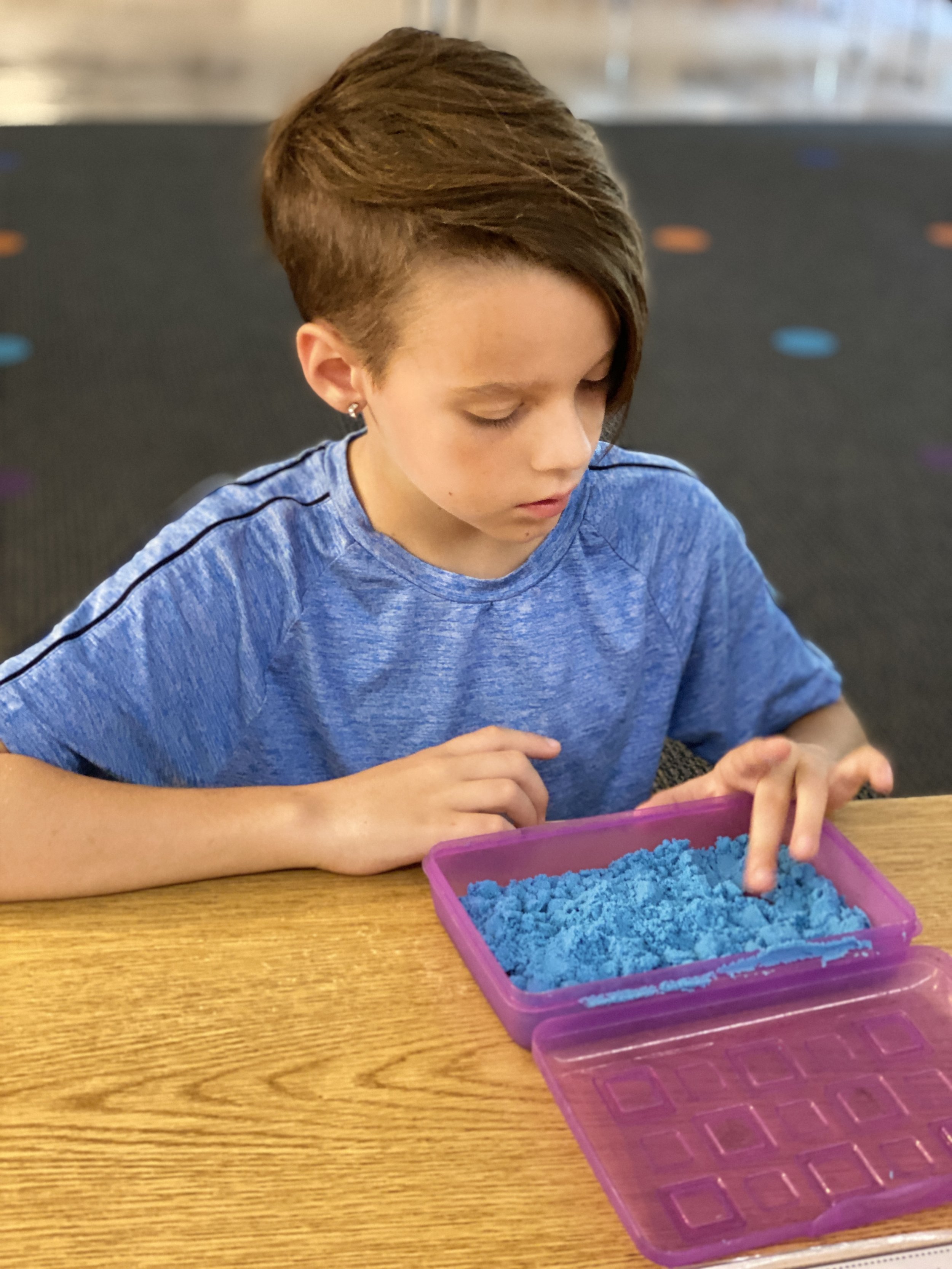
Trace in Kinetic Sand
Kinetic sand is another fun way to add additional tactile feedback!
#2. Grip Strength Exercises
Grip strength is critical in good handwriting and is often under developed. If your child is struggling with handwriting, give them play dough or clay to work with. Rolling, pinching, and sculpting all build finger strength, whether it is through creating a work of art, making "spaghetti noodles" with a play dough apparatus, or doing dedicated practice with creation of letters.
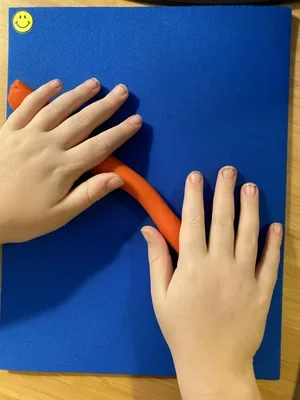
Roll-A-Dough Letters
Handwriting Without Tears has a product called “Roll-A-Dough Letters” dedicated for practice forming letters.
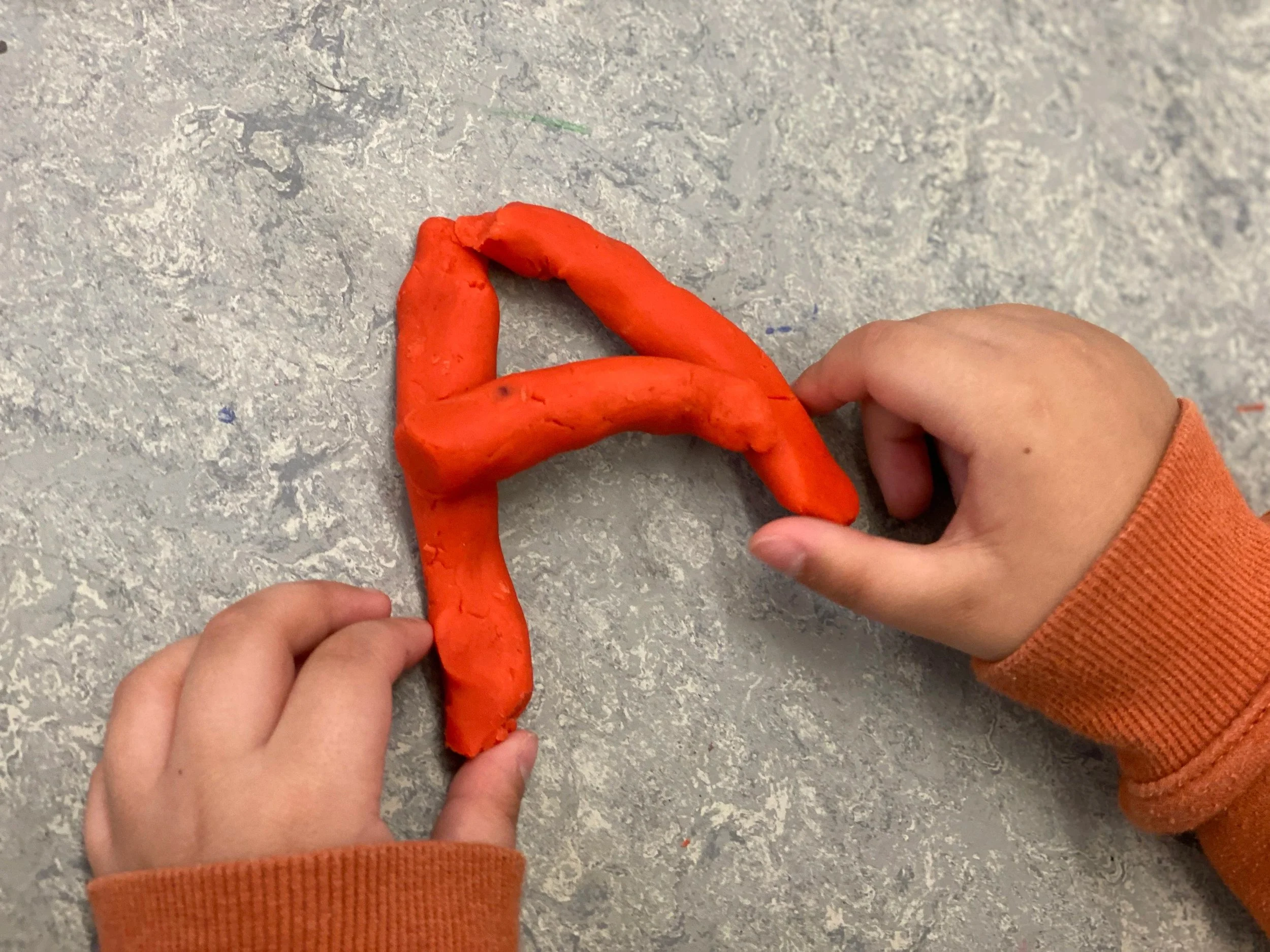
Shape with Play Dough
Play dough and clay offer great opportunities for strengthening the finger muscles needed for handwriting.
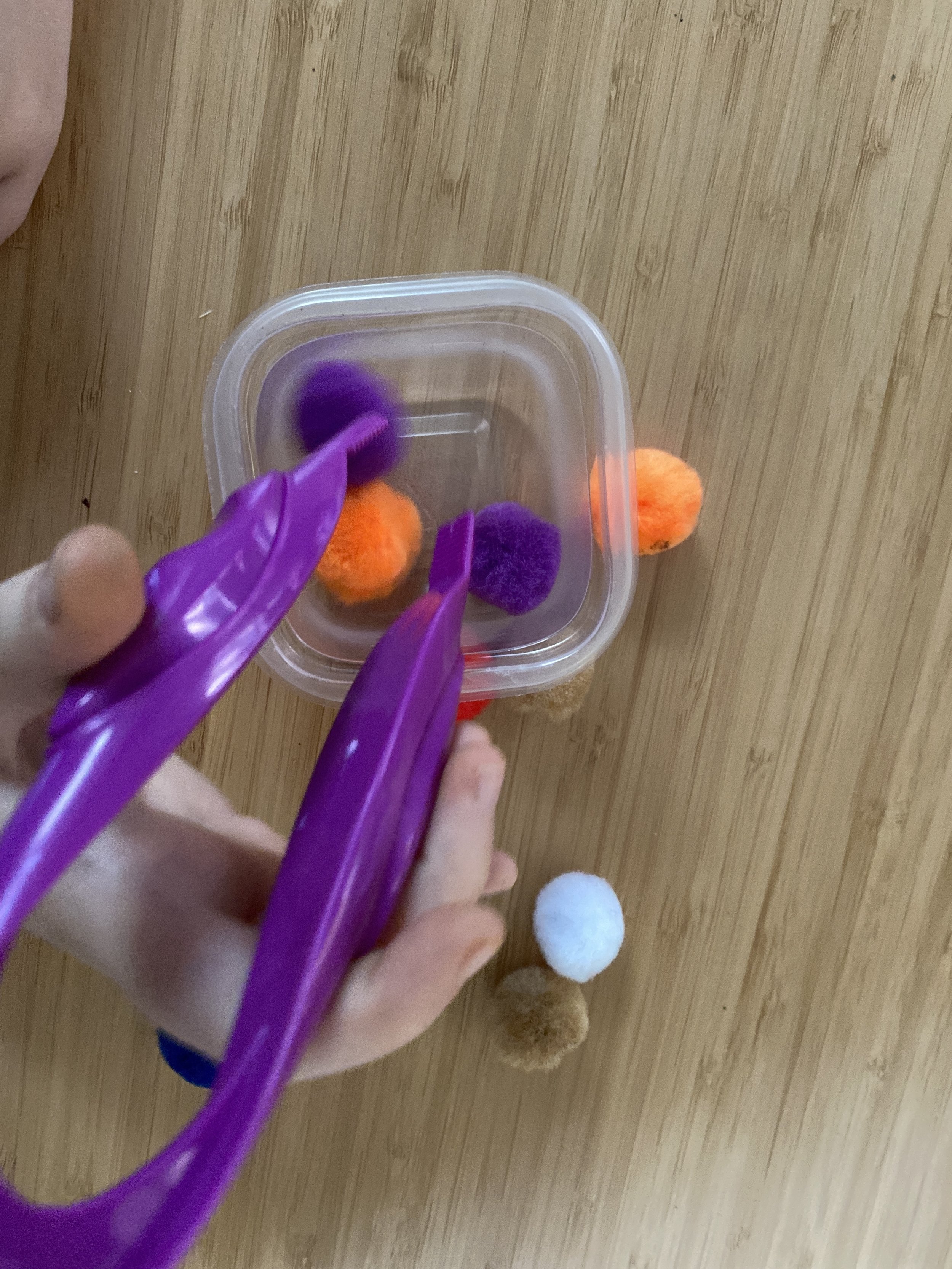
Grab with Tweezers
This is an easy, classic exercise to develop dexterity and fine motor control. Have your child use tweezers to pick up puff balls and move them from one container to another.
You may not have thought about taking your child to the climbing gym to help them with their handwriting, but it turns out that rock climbing is another great activity for building grip strength. Many school gyms have a climbing wall permanently installed. Ask your PE teacher if you can supervise your child on the climbing wall before or after school for consistent, convenient practice. Also, many play structures at parks have climbing walls. You might even want to invest in one for your own home. Added bonus: it helps kids get their energy out in a healthy way!
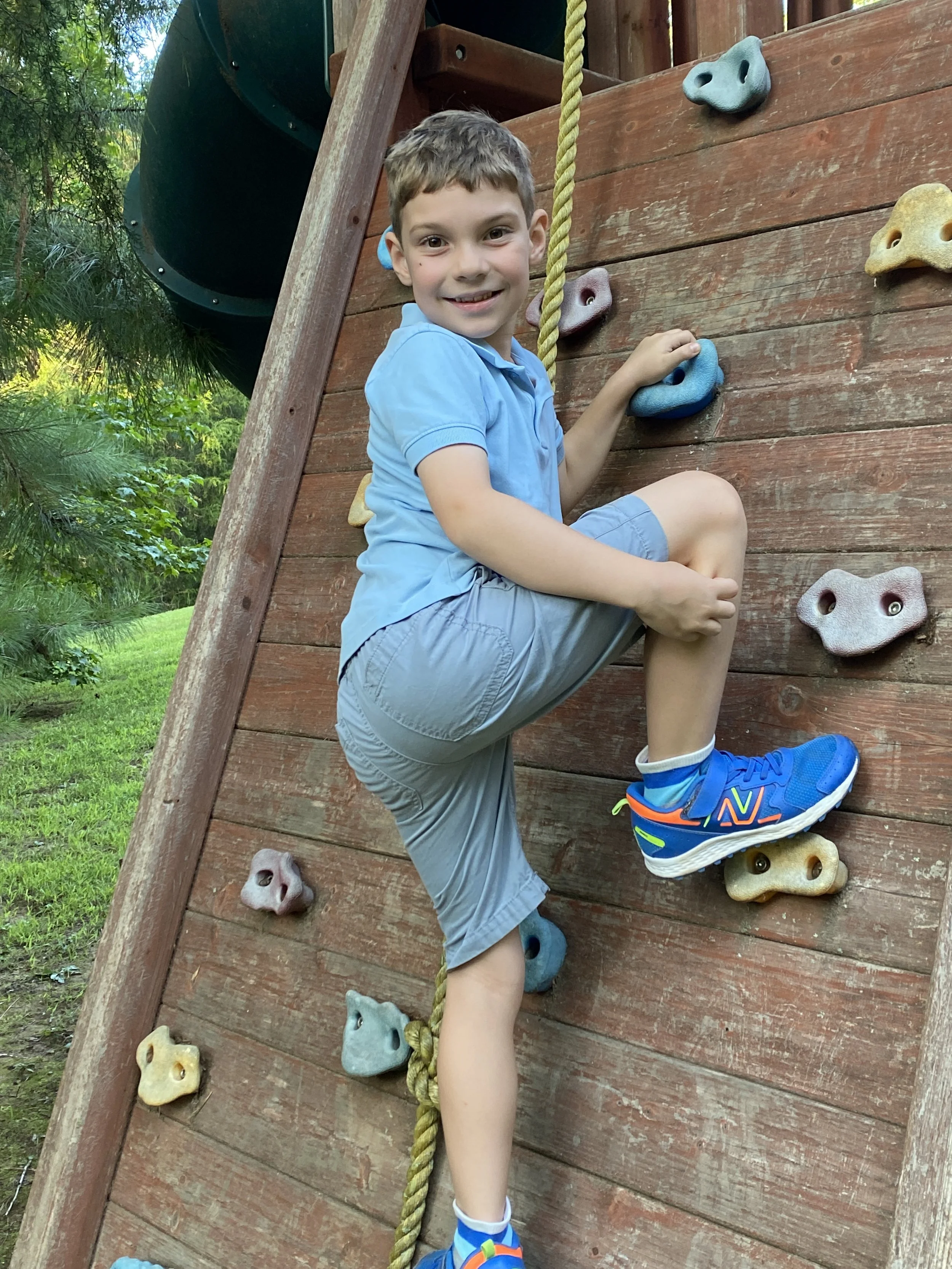
Climbing Wall
Climbing is a great activity to build the grip strength needed in handwriting.
#3. Draw It
Believe it or not, drawing is an excellent way to improve handwriting, as the fine motor and visual skills present in drawing translate across settings. Sign up for an after school art class or private art lessons with a knowledgeable and supportive instructor. There are many basic step-by-step guide books for early drawing that provide excellent practice. I encourage drawing on whiteboards for easy erasing.
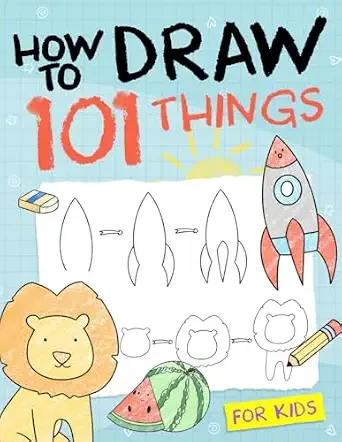
Draw Step-by-Step
Learn to draw books provide helpful step-by-step instruction. Drawing skills translate into better handwriting!
#4. Wet-Dry-Try
Wet-Dry-Try is an engaging way to practice letters from the Handwriting Without Tears® curriculum. In the Wet-Dry-Try exercise, the adult writes a letter on a small chalk board. The child dips a sponge or small puff ball into the water. Be sure to squeeze out the extra water; a little goes a long way! Then the child traces over the chalk letter with the wet sponge. This erases the chalk but leaves an impression in the damp area. The child then uses chalk to trace over the wet section to make the letter. Then, turn the whiteboard over and the child makes the chalk letter on their own from memory.
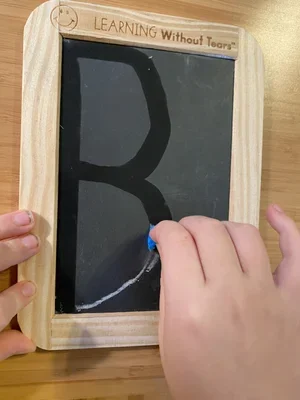
Wet-Dry-Try
Wet-Dry-Try is an engaging, multi-sensory to practice letter formation.
Supervise Carefully
These exercises are simple and fun, but all require direct supervision. Supervision is required not only for safety with sticks and rock climbing, but also to monitor for correct letter formation, modeling and giving in the moment correct feedback as needed. If your child practices forming the letters incorrectly, the practice becomes counterproductive.
How We Can Help
If this sounds like a lot to take on on your own, don’t worry, we are happy to help! Sign up for handwriting tutoring with Engaged Minds to work with an experienced handwriting tutor. You may also wish to consider working with an occupational therapist for additional support.
