Your child can sound out their first words. Now they need the right books to practice with. Below we explain what kind of books to choose and why, where to start, how to practice at home, and the series our families love most.
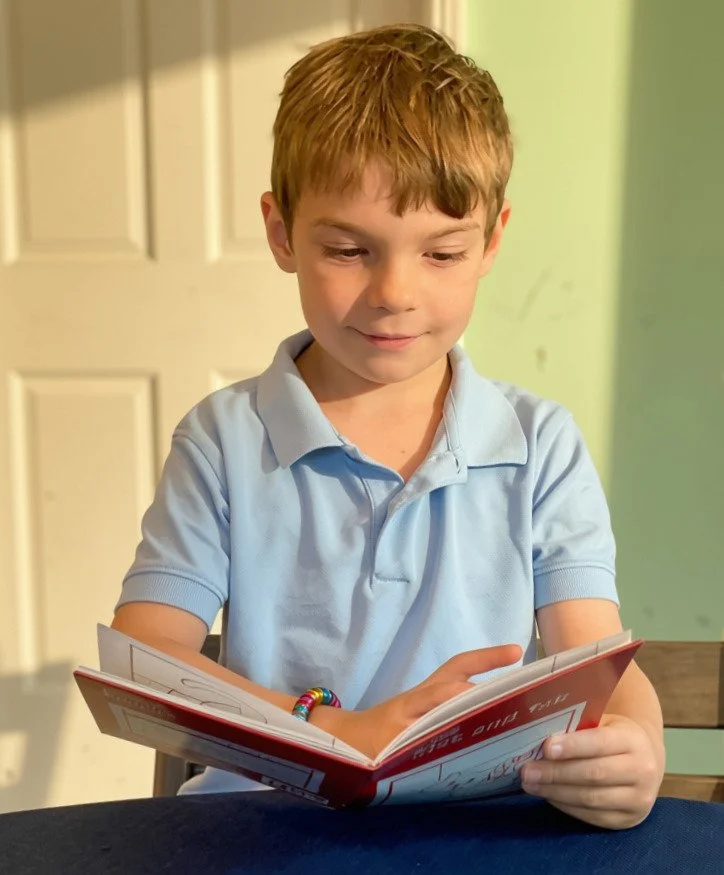
This child is enjoying a decodable text right on his level.
Why decodable books?
At Engaged Minds, we teach reading through structured literacy. This approach teaches children to "crack the code" by sounding words out, using letter-sound rules they've been taught directly.
Decodable books are built for exactly this. Each book uses only the letter patterns a child has already learned, so every word on the page can be sounded out. Your child gets real practice with the skill they're building, and they get the confidence of reading a whole book on their own.
Decodable books allow students to sound out words right on their level.
Why not leveled readers?
Many schools send home leveled readers, usually labeled with a letter (Level A, B, C, and so on). We recommend holding off on these until your child has mastered first-grade phonics skills.
Leveled readers often include words a beginning reader hasn't learned to decode yet. To get through them, children are encouraged to guess words from the pictures, the first letter, or the sentence pattern. This builds bad habits that are hard to unlearn. Guessing might (or might not) work in a simple picture book, but it stops working as texts get harder. It also leans heavily on memorizing whole words, which is especially hard for children with working memory challenges.
We want early readers to sound words until they become automatic. Decodable books make that possible.
You'll still see a few high-frequency words in decodable books, such as the, is, and was. That's expected. We teach these words by sounding out the parts that follow the rules and learning the tricky part by heart through targeted, multisensory practice.
Where should we start?
Beginning readers should start with books built around CVC words. CVC stands for consonant-vowel-consonant: three-letter words with a short vowel in the middle, like cat, map, and rag.
CVC words are a great starting point for two reasons:
Every letter makes its expected sound.
Your child only has to hold three sounds in mind before blending them into a word.
Start with books that use short a only. Once your child has mastered short a, move on to o, then i and u. We save e for last. The short e and short i sounds are easy to mix up, especially here in the South!
How to practice at home
A few minutes a day goes a long way. Here's how to make that time count:
Keep it short. Ten to fifteen minutes of focused reading beats a long, frustrating session. Quality and consistency of practice is most important.
Start with an easy book first as a warm up. Then tackle one more challenging book that is on your child's "instructional level." This means they need a little bit of adult support to read it, but it is not laborious. Return to an easy book at the end as a cool down.
When your child gets stuck, point to the word, not the picture. Have them say each sound, then blend the sounds together. Try: "What sound does this letter make? Now let's put the sounds together."
Cover the pictures if your child keeps glancing at them. A sticky note works well. Pictures can come back after the page is read.
Let your child choose which books to read from a selection of books that are on their level. Having agency increases engagement.
Reread favorite books. Rereading builds speed and smoothness, and it's great for confidence.
Talk about the story. Ask what happened, how characters or feeling, or what they think will happen next. Reading is always about meaning, even with simple books.
Have something to look forward to! Ending with a reward, such as a 5 minute board game or watching a short YouTube video on a topic your child is interested in is a great way to build motivation and celebrate success.
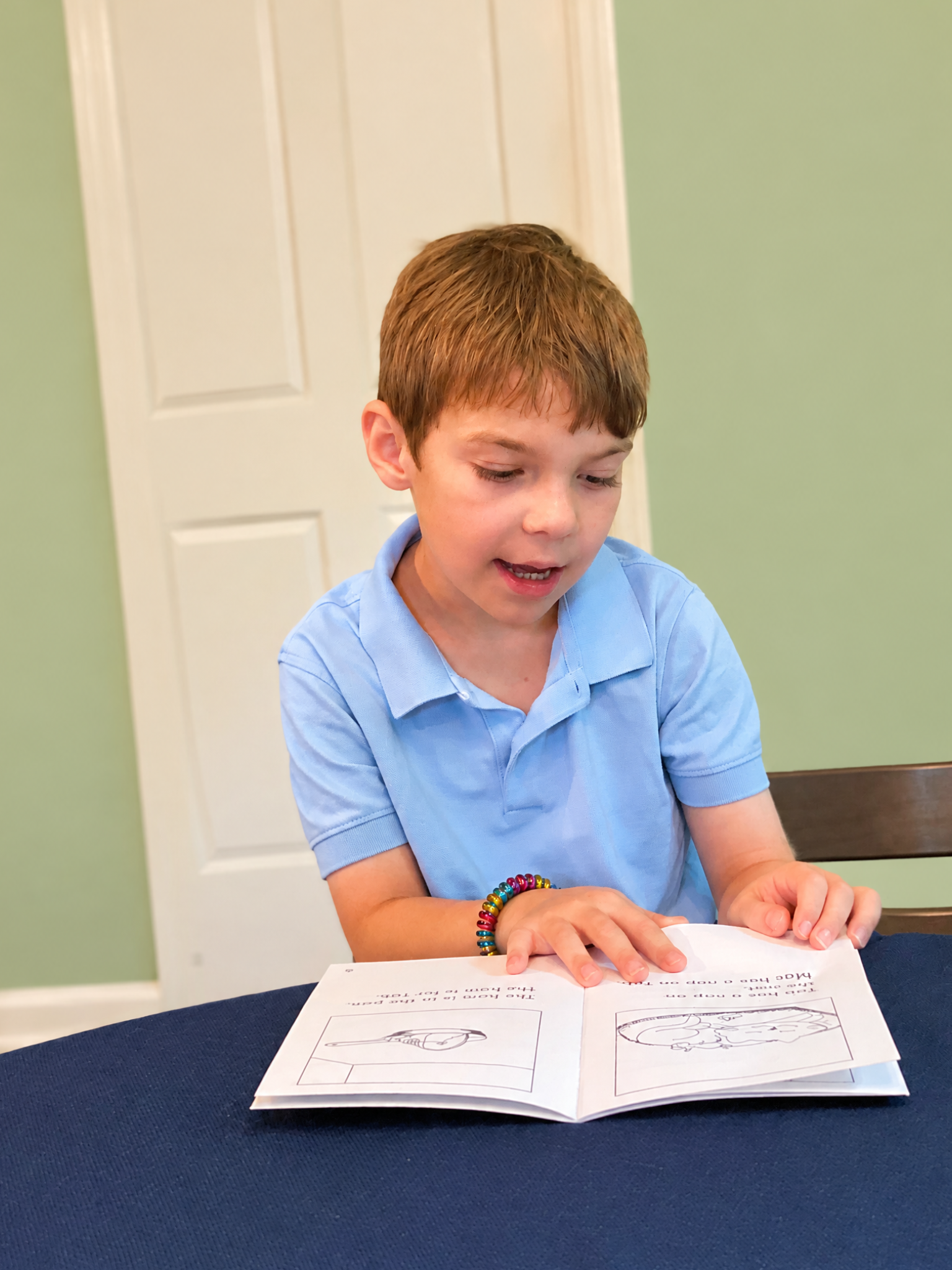
This child is engaging in high-quality reading practice with decodable texts.
Which decodable books do you recommend?
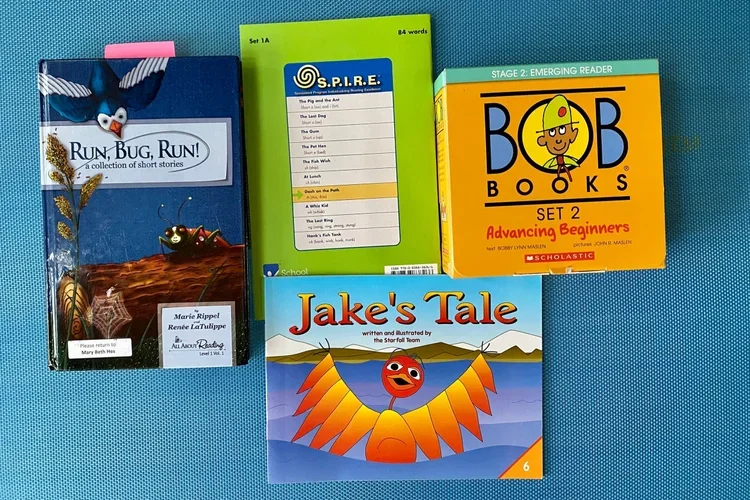
Families often ask us for decodable book sets for beginning readers. These are our favorites:
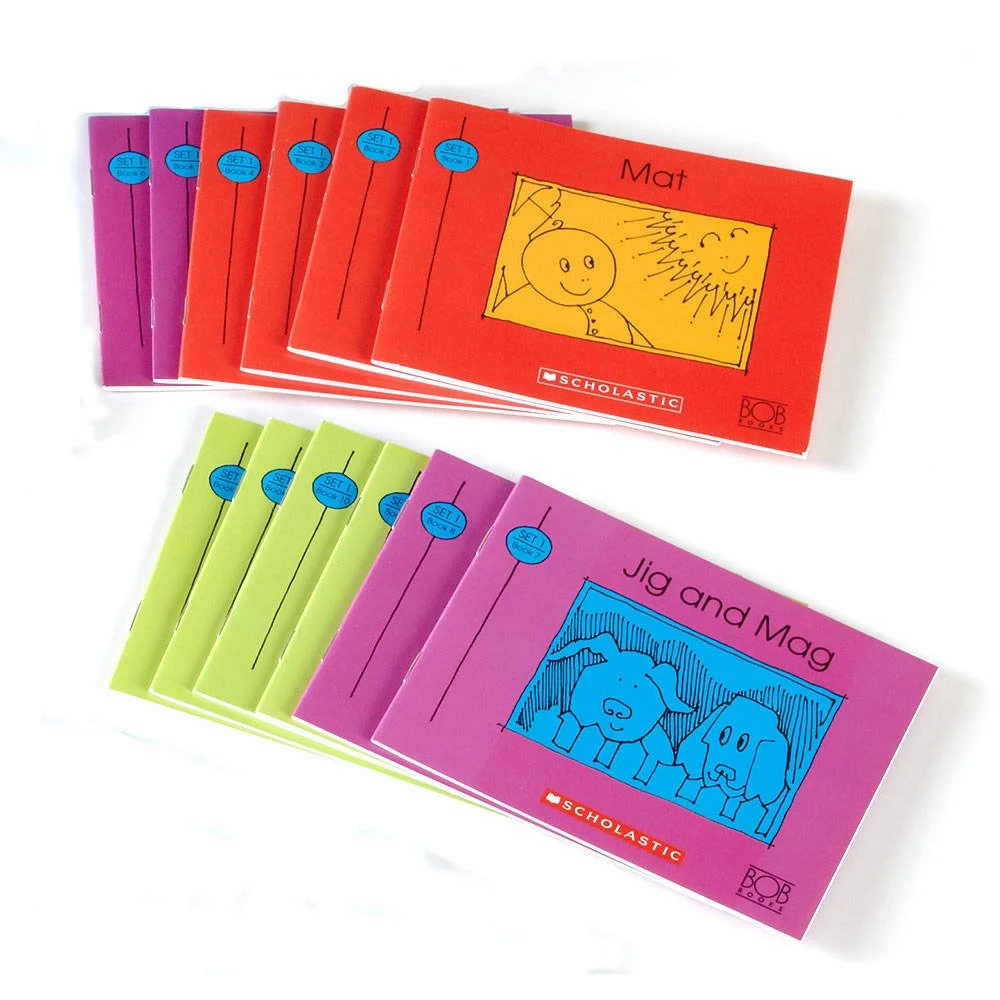
These are great first books for young readers.
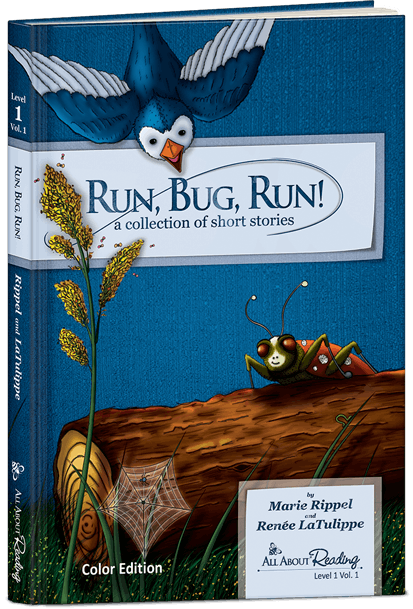
The All About Reading Series consists of books that are a compilation of short stories. This builds in short practice sessions but also gives the confidence of reading a "thick" book. These books start with basic skills and progress into advanced skills appropriate for older readers.
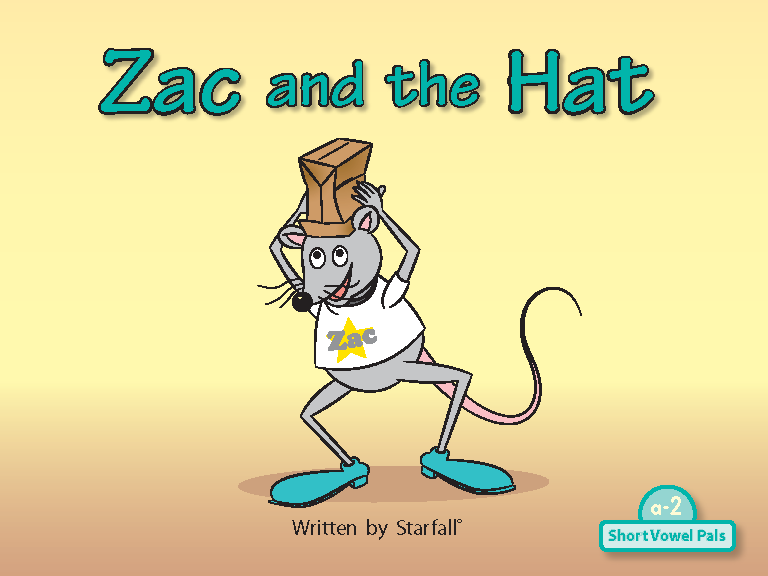
These short, playful books are great for new readers.
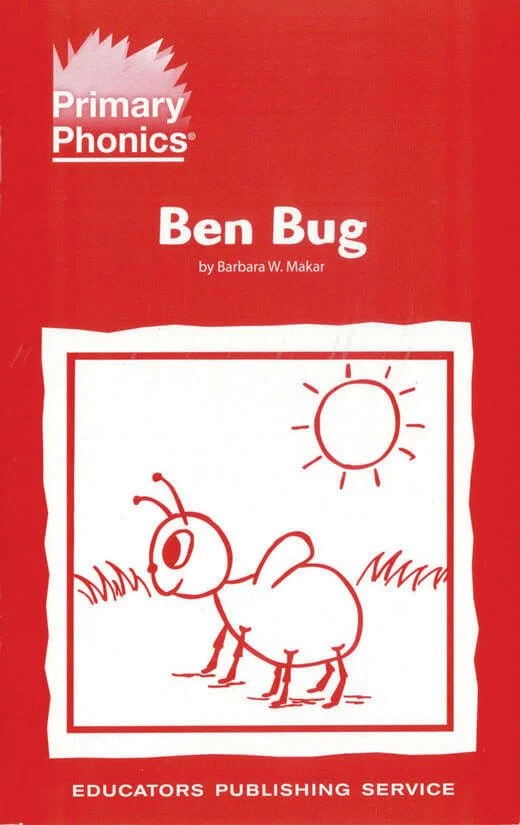
These stories appeal to older students.
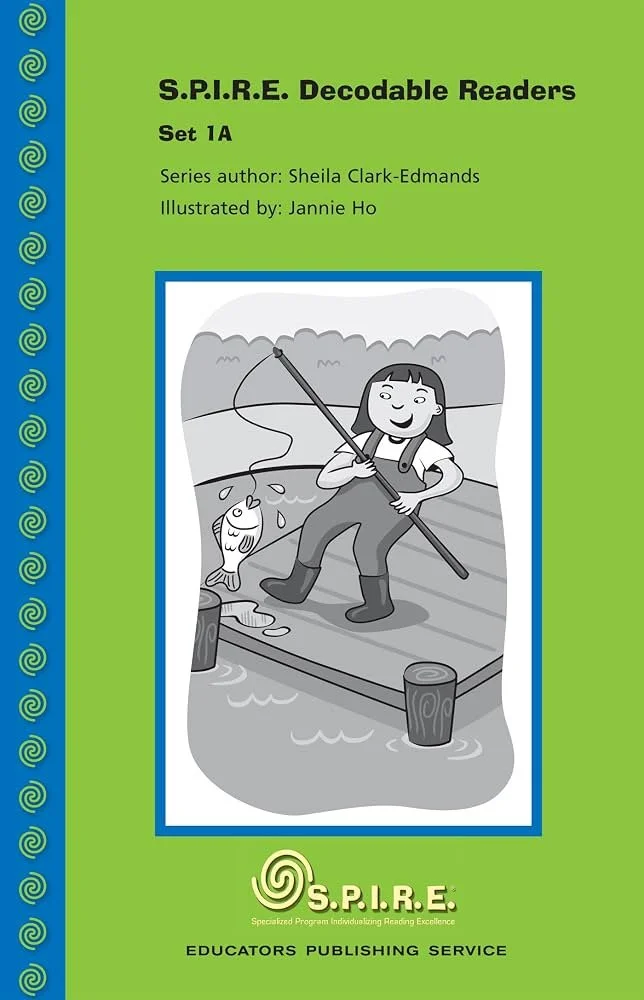
These decodable texts appropriate for a range of ages.
How We Can Help
Now that you know what to use and why, your child is ready to jump in and practice!
If this sounds like a lot to take on on your own, don’t worry, we are happy to help! Sign up for reading tutoring with Engaged Minds to work with an experienced literacy tutor.
