Neurodiversity & Special Needs
Every child learns differently, and some children need a different path to get there. At Engaged Minds, we work with neurodivergent students from preschool through high school, including children with ADHD, autism, specific learning disabilities, intellectual disabilities, anxiety, and students who are twice-exceptional.
We don't see neurodivergence as something to fix. We see a student's unique strengths and needs as the starting point. Every plan is individualized, built on evidence-based practices, and adjusted as your child grows. Our goal is simple: real progress in skills, and the confidence that comes with it.

Who We Support
Dyslexia
Reading intervention is at the heart of what we do. Our tutors use structured literacy, an explicit, systematic, and multisensory approach that builds the sound-symbol foundations strong readers rely on.
Learn more about our reading and dyslexia support
Dysgraphia
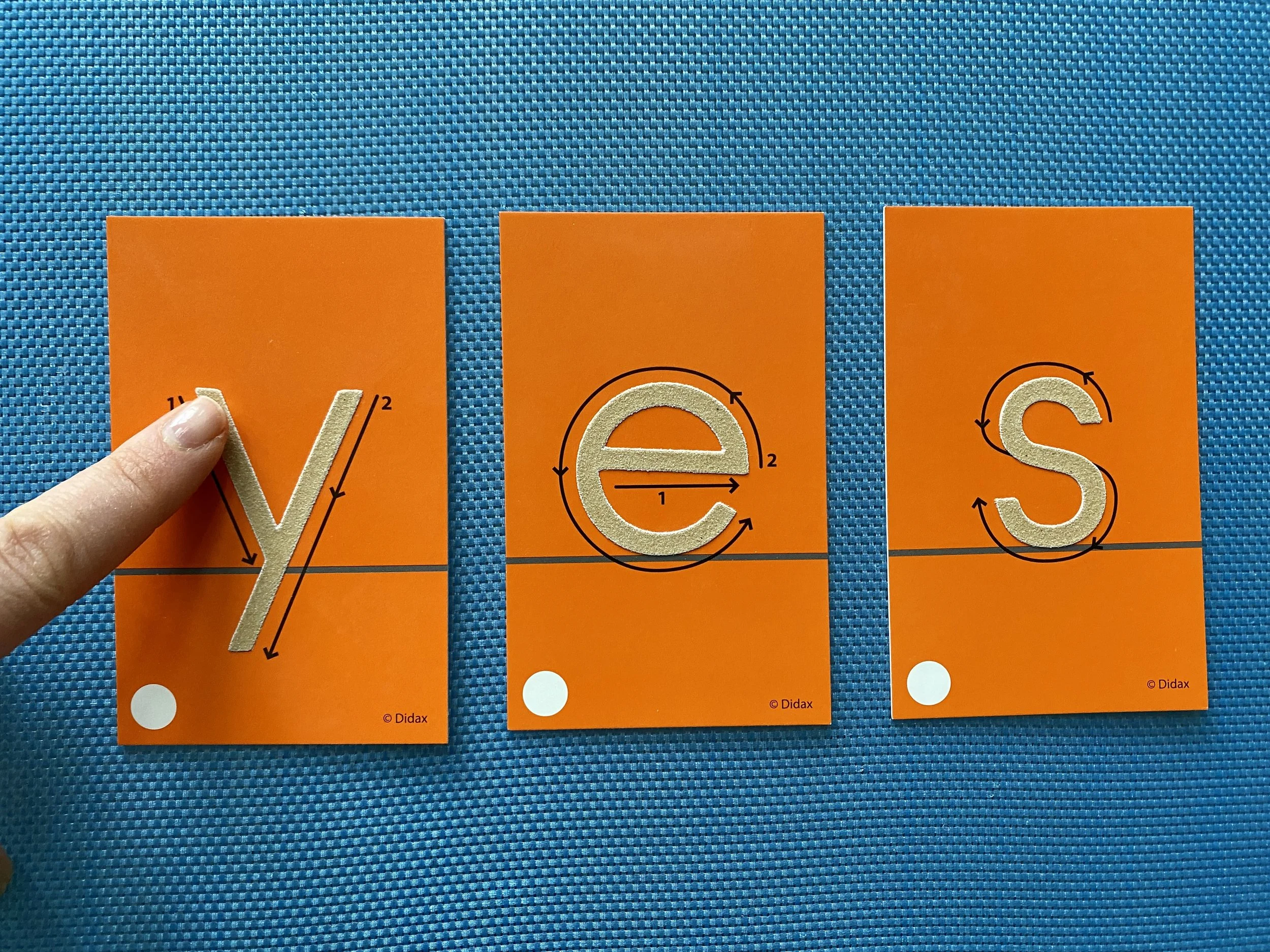
When writing by hand is a struggle, it can hold back everything else a student knows. We use multisensory handwriting instruction to build letter formation and fluency. We also teach strategies for spelling, organizing ideas, and getting thoughts onto the page, including assistive tools like typing and speech-to-text when appropriate.
Executive Function
Many neurodivergent students struggle with planning, organization, time management, and getting started on tasks. Our executive function coaching teaches these skills directly and practices them with real schoolwork.
Learn more about executive function coaching
ADHD
Students with ADHD often know more than their grades show. One-on-one tutoring is the ideal setting for students with attention difficulties to engage in learning. Students with ADHD are given agency to determine what supports they need to be successful. If they need scheduled movement breaks, we use them. If they need fidgets as a tool to focus, they are provided. If students work best standing instead of sitting, they are encouraged to stand. Through getting to know each student, and collaborating with parents, schools, and outside providers, we find the pathways that these children learn best.

Physical Disabilities and Motor Differences
For students with cerebral palsy or other conditions that affect movement, we remove physical barriers so the focus can stay on learning. That might mean scribing while a student shares their ideas aloud, using apps with large touchscreen buttons, or meeting at home, where furniture and equipment are already set up for the student's needs.
Anxiety and Discouraged Learners
After years of struggle, many students start to believe they "just can't" do school. Engaged Minds focuses on student strengths, confidence, and individual progress. We start at a level where they can succeed, fill in foundational gaps, and build trust before we build difficulty. As skills grow, confidence follows.

Autism
We build predictable routines, use visual supports, and connect lessons to each student's interests. Instruction is clear and concrete. Using a personalized checklist shows students what is coming next and helps them feel supported by structure and routine. We pay attention to sensory needs and communication style, so students feel safe enough to take on new challenges.
Dyscalculia
Students with dyscalculia need math taught differently, not just more of it. We build number sense step by step, moving from hands-on materials to pictures to numbers, so concepts make sense before they're memorized. We break skills into small steps and practice until the student gains mastery.

Twice-Exceptional (2e) Learners
Some students are academically gifted and also have a learning difference, such as ADHD, autism, or dyslexia. These students can be overlooked, because their strengths hide their struggles or their struggles hide their strengths. We challenge their strengths while supporting their needs, so they don't have to choose between being bored and being overwhelmed.
Intellectual Disability
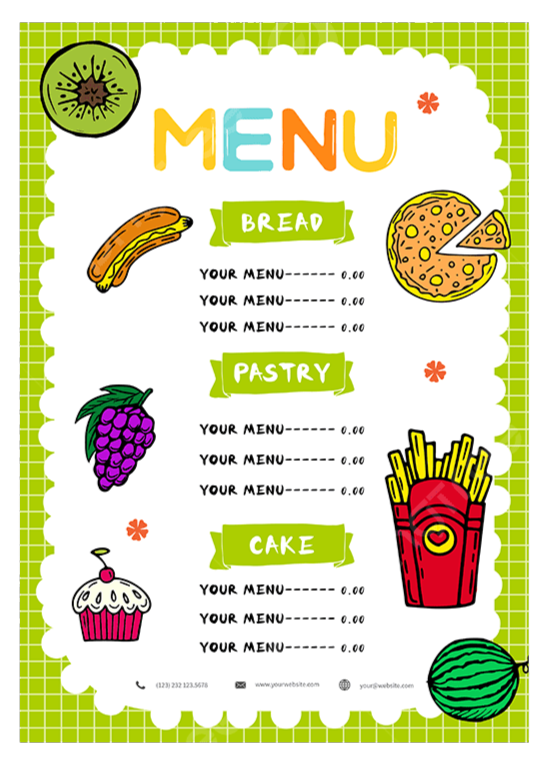
We meet students exactly where they are and build skills in small, achievable steps. Instruction is concrete, with lots of opportunities to practice, and is connected to real life, such as practicing math through ordering from a menu and reading environmental print. We celebrate every bit of progress and work closely with families and school teams on shared goals.
How We Adapt Every Session
These are supports we often use to support our learners:
Multisensory teaching that engages seeing, hearing, touch, and movement, so new learning sticks
Visual supports such as schedules, checklists, and visual timers, so students know what's coming next
Movement breaks and flexible seating, including standing, wobble seats, playing games, and fidget tools
Lessons built around interests, from dinosaurs to Minecraft, to keep students engaged
Small steps and frequent wins that build momentum and confidence
Working With Your Learner's Team
Your learner's progress is a team effort. With your permission, we coordinate with teachers, school psychologists, speech-language pathologists, occupational therapists, behavior specialists, and doctors, so everyone is working toward the same goals.
Get Started
Every student starts with a conversation about their strengths, challenges, and goals. From there, we match your child with a tutor whose experience fits their needs.