Four Fun Multi-Sensory Ways to Learn Letter Names and Sounds at Home
To get kids ready to read, it is important for them to learn to identify letter names and sounds. This provides the building blocks needed to sound out words and is the foundation of all future reading.
Here are a few simple things you can do at home to help your child learn letter names and sounds that incorporate sight, sound, hearing, and touch. The more senses that are engaged, the more memory is enhanced.
#1. Use foam or magnet letters to practice identifying letter names and sounds. Your child can put the letters in order, match up lowercase and capital letters, and work their way up to spelling words, phrases and sentences. Make sure they put the letters in the correct position to distinguish between similar shapes like “b” and “d.
Foam letters can be fun to stick on the bathtub wall, using a little water.
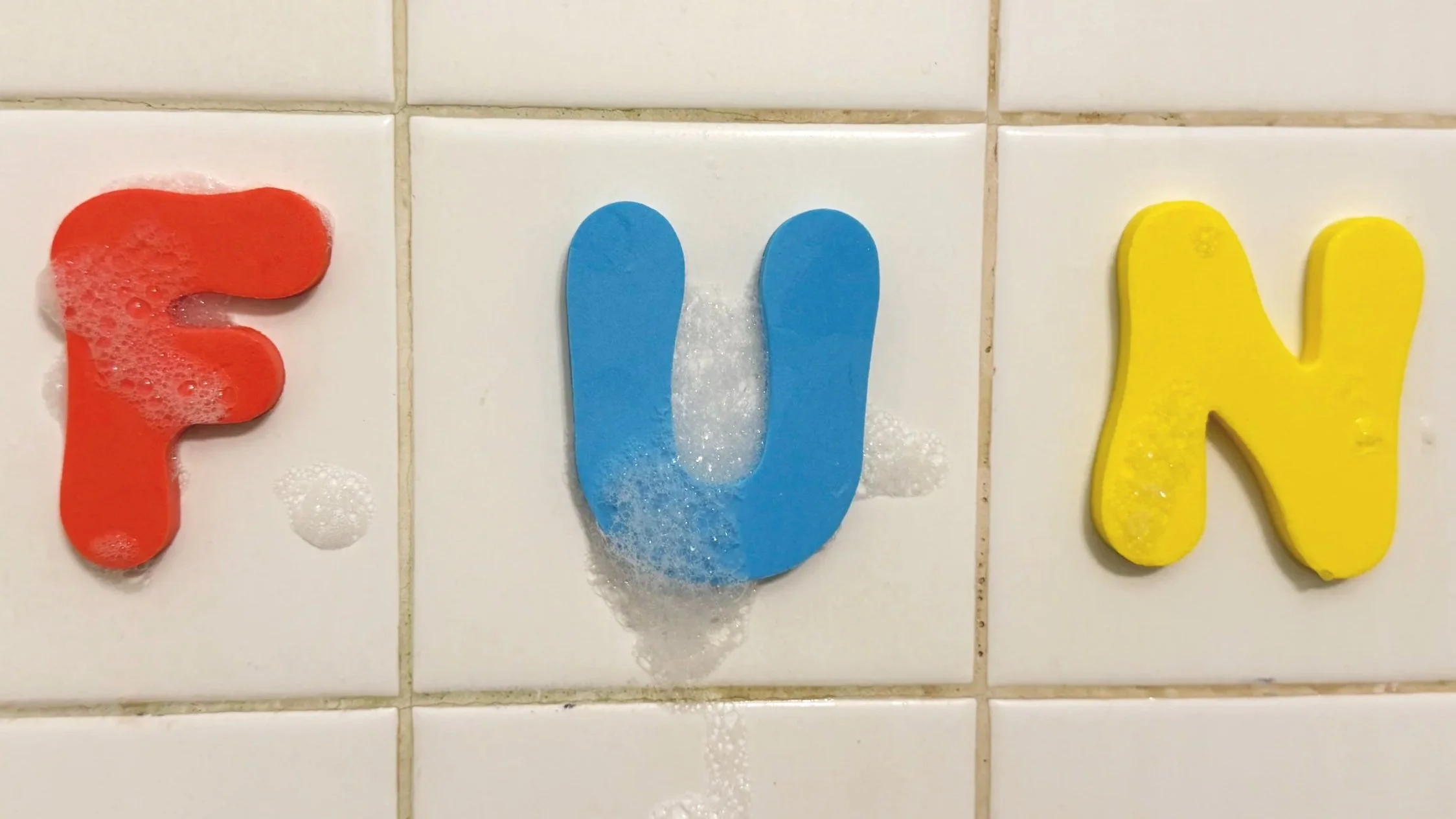
Foam Letters for Bath Time Fun
Bath time is a great time to practice letter names and sounds using foam letters.
#2. If your child enjoys tactile sensations, you can incorporate letter practice with fun textures like play dough or sandpaper letters. As they trace or form each letter, have your child say aloud the letter name and sound.
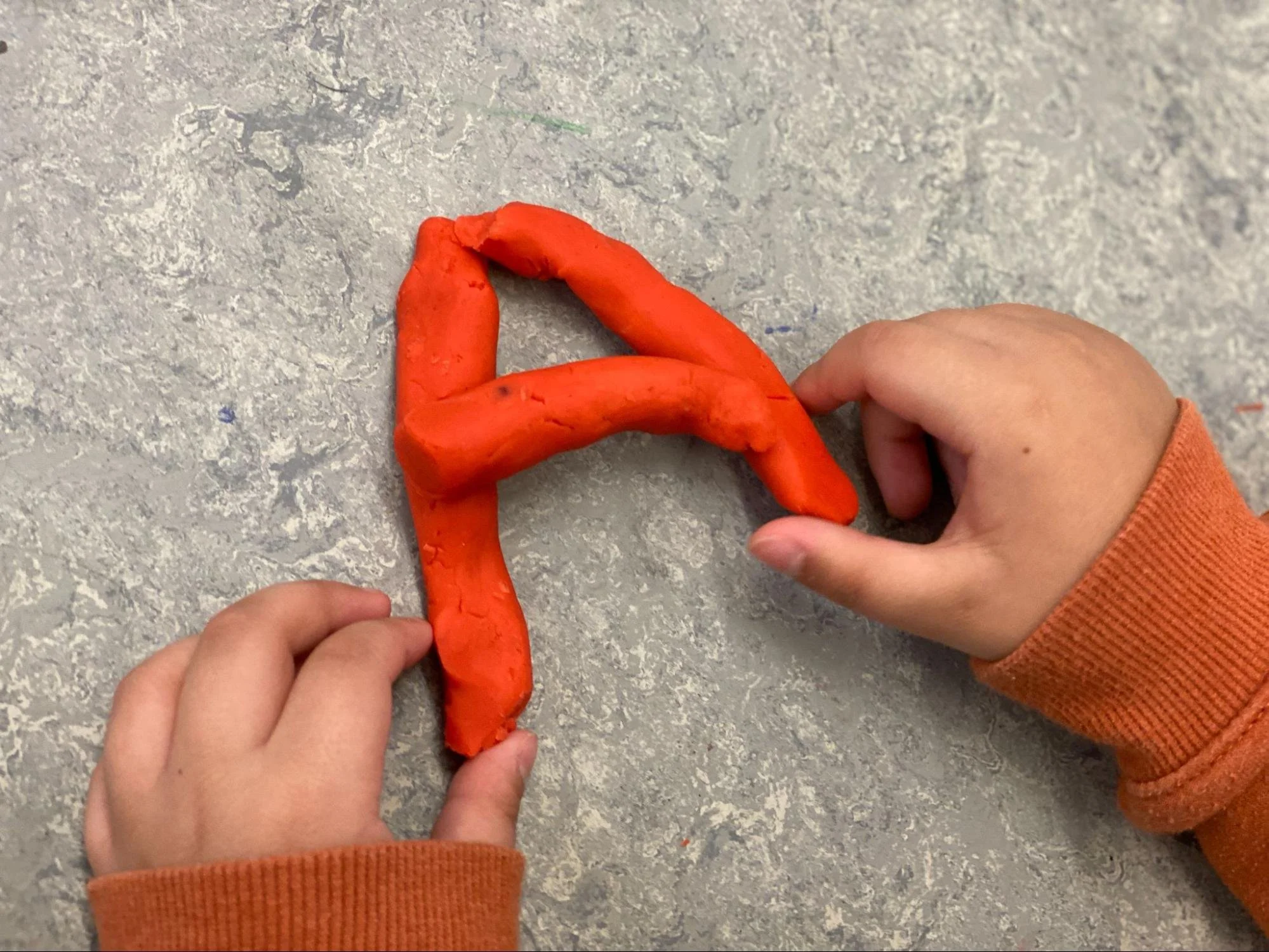
Play Dough Power!
Add a tactile element to learning by creating letters with play dough.
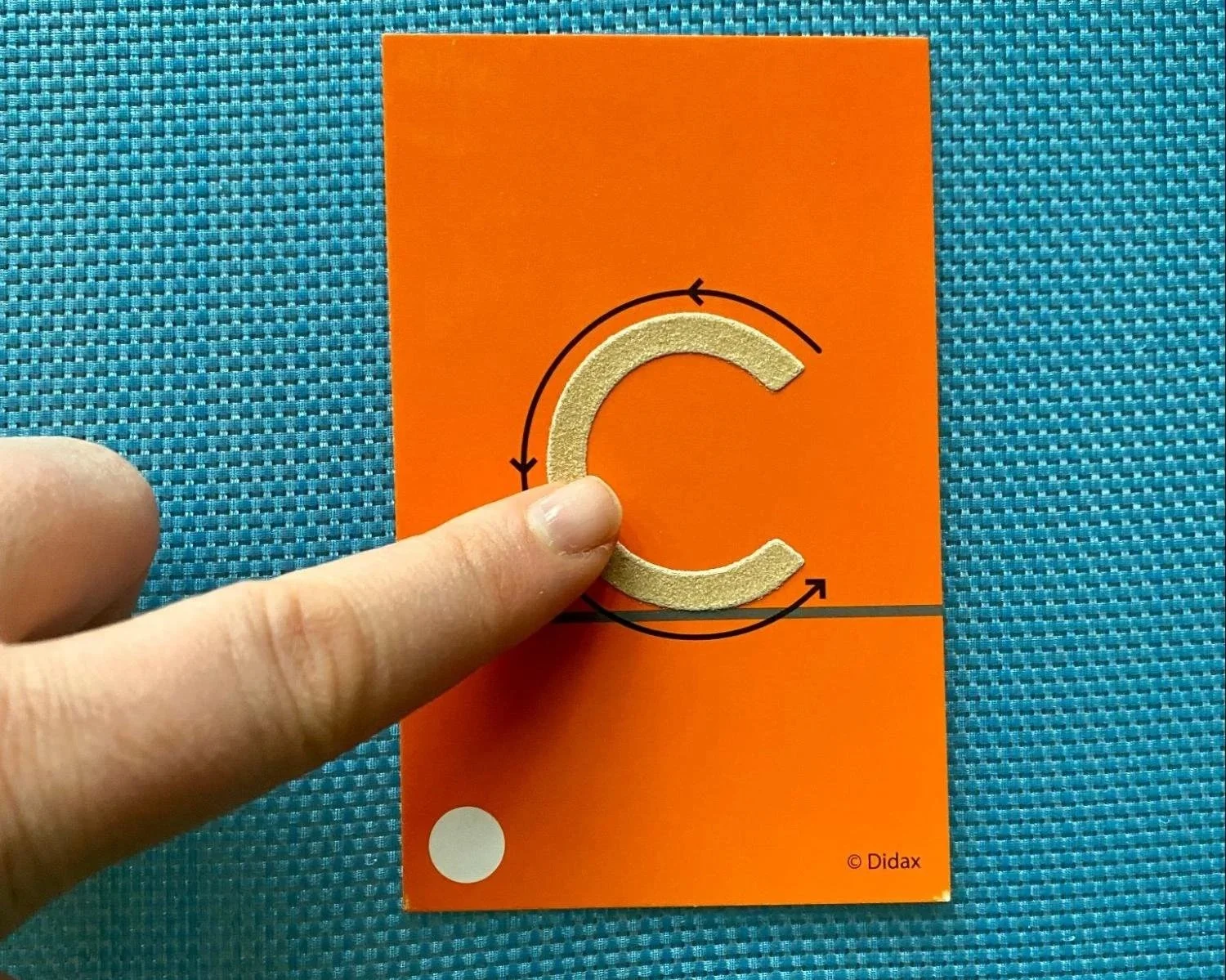
Trace a Textured Surface
Trace sandpaper letters while saying the letter name and sound. Kids learn best when they can see, touch, and say letters.
#3. Another great way to tie reading in with other senses and ways of learning is to make up little songs to sing with them, such as “A is the letter, /a/ is the sound.” You can add new letters to the song as the child learns them. Music is a great way of creating lasting memories with new information.
Make this visual by pairing the music with a letter deck that has a picture that starts with the letter you are targeting.
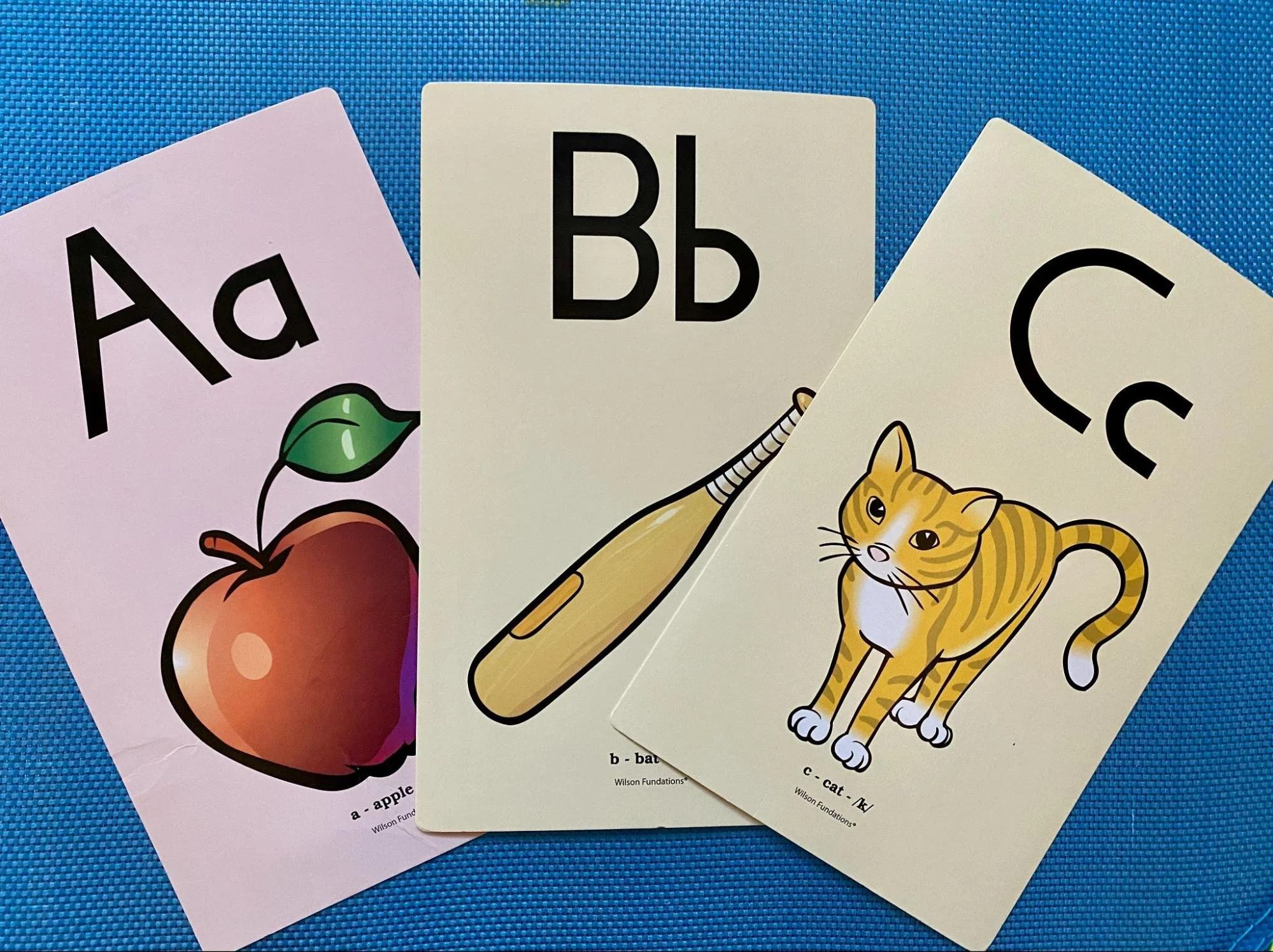
Make It Musical
Pair music a visual by singing “A is the letter name, /a/ is the sound,” while showing the letter A with a picture of an apple.
#4. Flashcards are a classic way to practice letter sounds that have been validated by current science. You can find them at bookstores, toy stores, or ask your child’s school if they can lend you a set. You can even make your own with index cards and a marker!
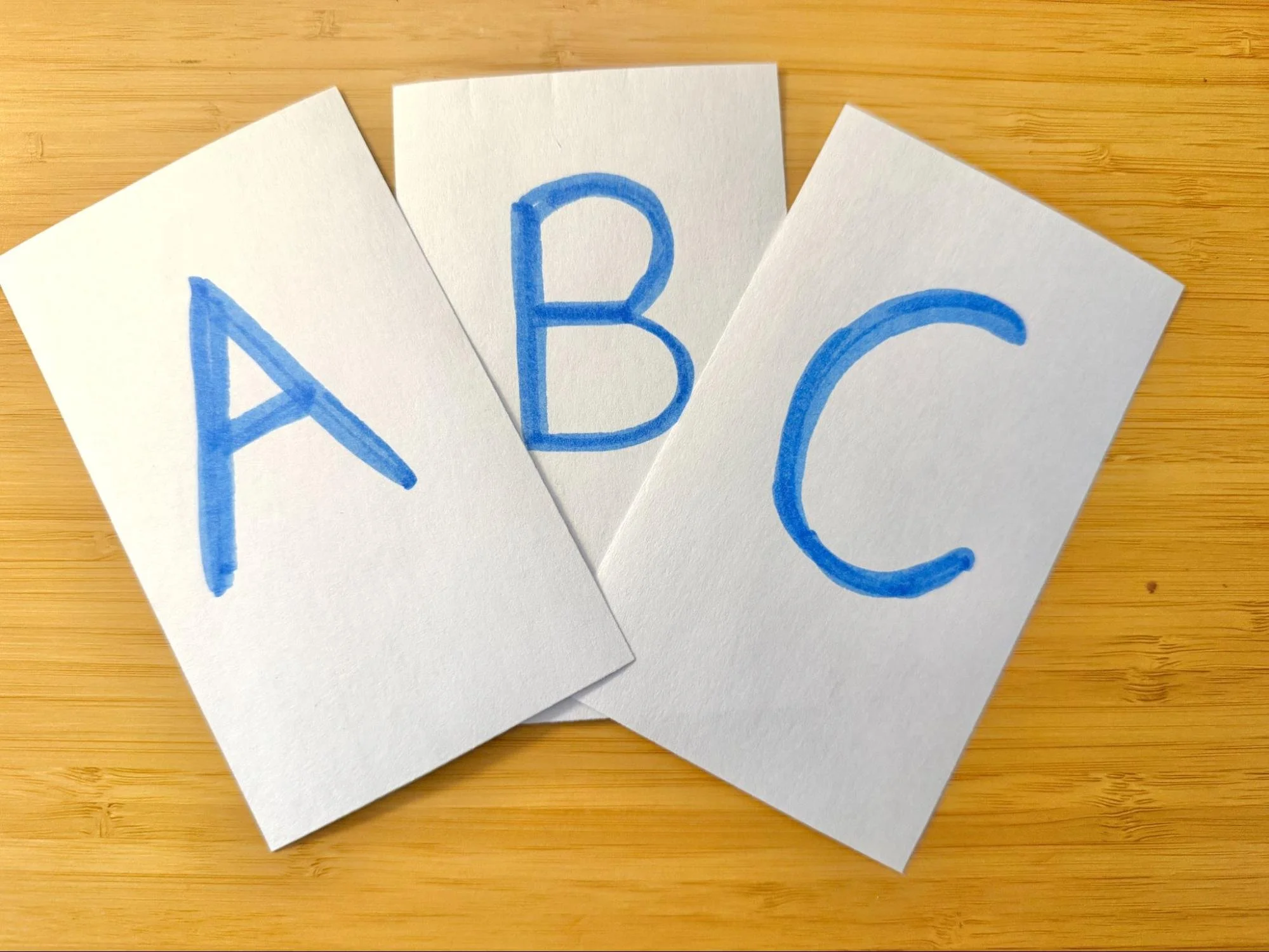
Fluency Through Flashcards
Make your own flashcards using index cards. Help your child practice a few cards at a time and grow their deck as they are ready.
For new readers, start with just one or two flashcards, and add more letters and sounds to your practice as the child learns them. Take time with each new card to make sure your child commits the letter name and sound to memory. Seeing the stack of cards grow as they learn new letters can be a great way to build confidence. Post the flashcards up in high traffic areas of your home, such as on the refrigerator, to spark opportunities for practice.
With all these strategies, go for frequent short bursts of practice (5 or 10 minutes), rather than lengthy sessions.
You may find that even with plenty of support and practice, your child is still having a hard time keeping up with reading in school. Your next step could be to hire an Engaged Minds tutor. Working with a professional educator outside of school for precisely targeted practice on literacy skills can be a game changer for many students. If you’re ready to take that step, contact Engaged Minds to match your child up with the right tutor.
Sign up now!
Boost your child’s reading success through one-on-one tutoring with Engaged Minds. Click here to learn more.
